
At the home front in the food war
Russia is now destroying banned Western food products on sight
August 6 will mark the one-year anniversary of Moscow's food war with the West. That same day, new regulations requiring the complete destruction of banned Western food products will come into effect on Russian territory. Meduza explains what led the country to this conflict, and how it's affecting ordinary Russians.
Also known as “counter-sanctions,” Russia’s 2014 embargo on an array of Western goods was a response to American and European sanctions, meant to punish Russia for annexing Crimea and exacerbating the crisis in Ukraine. In June 2015, the EU and US extended its sanctions regime to January 2016. Russia retaliated by prolonging its own embargo for another year.
Russians have seen food prices soar, with average costs going up by 20 percent between July 2014 and July 2015. Polls have shown that two-thirds of Russians began to reduce spending on luxury food items in the spring of 2015. Consumers have learned to live without their fix of French cheeses, Norwegian salmon, or other products from the EU, Australia, the US, and Canada. The embargo covers beef, pork, poultry, fish, fruit, vegetables, dairy products, and nuts produced in these countries.
But the sanctioned goods haven’t entirely gone out of circulation. First, retailers took several months to sell off entirely their reserves of Western food imports after the ban first came into effect. Second, some products continued to seep into Russian markets through smuggling. Third, Russians learned to recognize their favorite European cheeses under cryptic labels such as “lactose-free,” a food category initially exempt from the ban (since then, this category has also been limited). Some European products were also allegedly disguised as imports from South American countries.
But the Russian government is now working hard to close these loopholes. According a decree signed by Russian President Vladimir Putin on July 29, if the banned food products are found, they will be destroyed on sight. The decree comes into effect tomorrow, on August 6. Official documents do not detail how exactly the food should be destroyed, stating only that the process should not harm the environment and should be recorded on video. The rest is up to officials’ imaginations.
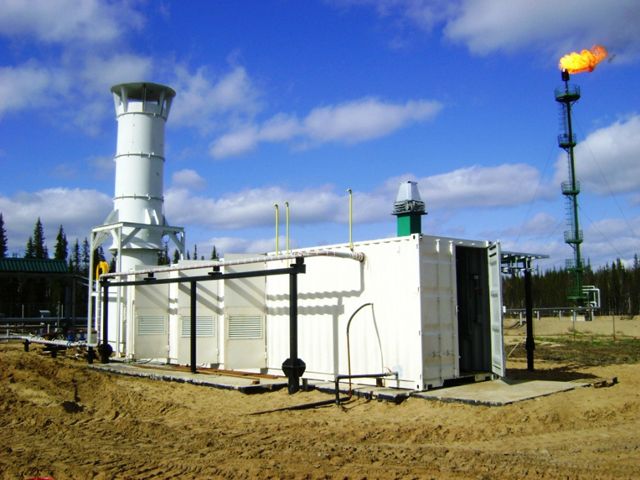
The St. Petersburg newspaper Fontanka reports that the Ministry of Agriculture is stocking up on mobile crematoriums. These cost 6 million rubles (more than $95,000) a piece, not counting various transportation costs. The company Turmalin has already updated its machines, preparing them specifically for burning sanctioned food. Fontanka says Turmalin has promised that its new crematoriums are capable of incinerating between 150 and 3,000 kilograms (330 to 6,515 lbs) of food per hour. There are also rumors that Russia’s Federal Service for Veterinary and Phytosanitary Surveillance may utilize certain sanctioned products as animal feed, but officials have denied these claims.
Opponents of the food-destruction decree have launched a petition on Change.org, asking the government to donate the banned products to low-income individuals. More than 193,000 people had signed the petition by Wednesday afternoon, but Kremlin spokesperson Dmitry Peskov announced the decree will remain in place, despite the public outcry.
The petition states that destroying the products is expensive for the government, while volunteers could redistribute the goods to the needy for free. The authors of the petition claim that redistribution “could help compensate this part of the population for what they have lost due to the sanctions.”
Olga Zeveleva
Moscow