
How news is made
An unknown political analyst proposed cancelling elections in Russia and it became national news
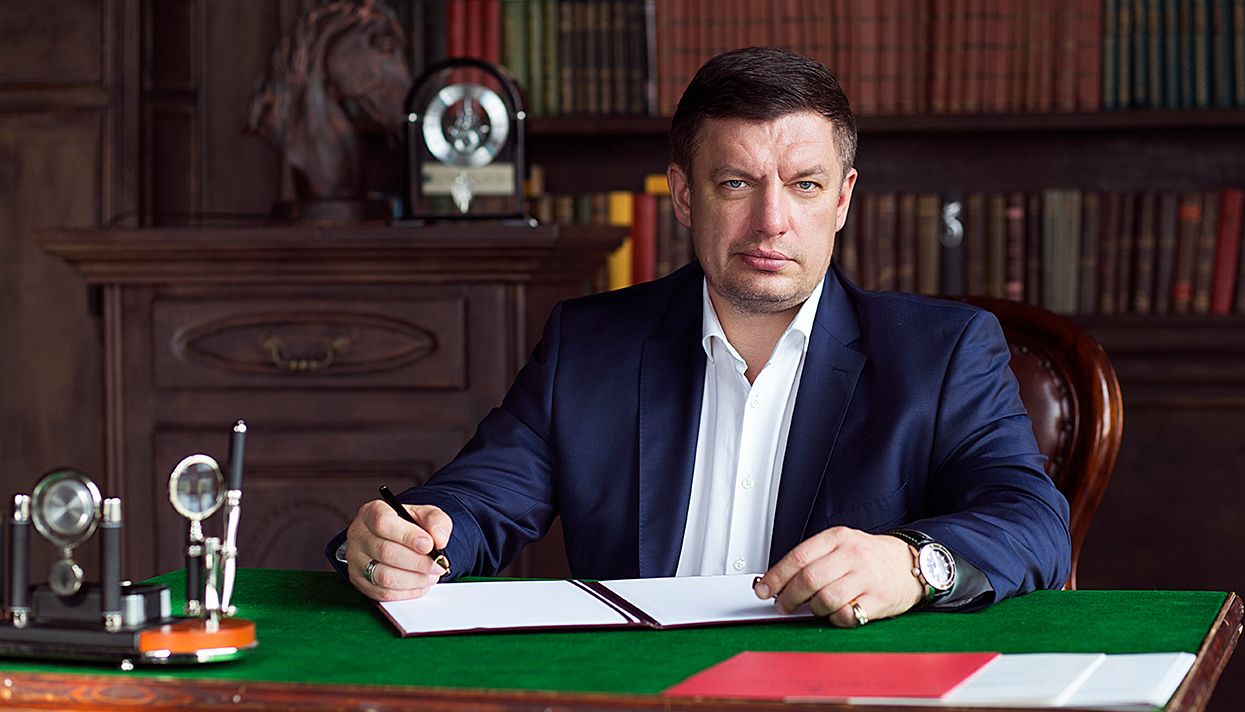
On February 4, RIA Novosti published a proposal from a man named Evgeny Tunik, who heads something called the Institute for Analysis of Political Infrastructure. In the proposal, Tunik argued that elections should be cancelled in Russia while Western sanctions are still in effect. As both the institute and its head are generally unknown in Russia, the proposal could very well have gone unnoticed. And yet Tunik's idea made it all the way to the State Duma and to the Central Electoral Commission. As a result, his proposal became one of the Russian media's top stories. How did this happen?
At the time of this writing, a search on Yandex Novosti (the “news” tab on Russia's leading search engine) listed nearly 150 news articles about the suspension of elections in Russia. The news seemed to appear out of nowhere—an article written by an unknown analyst became one of the main topics of the day.
According to his official biography, Evgeny Tunik spent the 1990s doing business in Russia's Magadan region, supplying equipment and parts to a gold-mining cooperative. He then moved to Kamchatka, where he began a holding company with a broad area of specializations—from food to information technology. In 2012, Tunik moved to Moscow and founded a shipping company.
According to an extract from SPARK (a business-analytics system supported by the news agency Interfax), the Institute for Analysis of Political Infrastructure was founded in 2011. It was first mentioned in the media that the same year on a website dedicated to the publication of press releases. Until October 2015, however, the organization doesn't feature in a single publication. In October last year, Tunik appeared as an expert in a publication from called “The Russian World,” in an article titled “Offering to Take Syria Into the Collective Security Treaty Organization.” Since then, he's been cited several times in media outlets such as Izvestia and Mir Novostei.
The institute's greatest media exposure, however, has been its proposal to the State Duma, which it submitted on February 4, 2016. Earlier that morning, the news agency RIA Novosti published a statement from Tunik saying elections in Russia need to be banned, so long as the West levies sanctions against Russia. Suspending elections “would protect Russia from a change of power inspired from abroad and subsequent collapse,” Tunik argues in the statement.
In an interview on the radio station Ekho Moskvy, Tunik explained further. “The goal, to put it frankly, of our enemies—America and the West—is to change our government. Canceling elections is like a vaccination against influenza. It will make their efforts useless. Times are already different now, and everyone's doing things their own way. Gradually, the sanctions are bringing people to despair. First, an attempt will be made to change the parliament, and then the president. First and foremost, we need to defend our interests and the integrity of our country.”
After the interview, journalists asked State Duma deputies and members from the Central Elections Commission (CEC) what they thought about Tunik's proposal. State Duma deputy Yuri Shuvalov called the proposal a provocation, and Maya Grishina from the CEC said something like this would only be possible in the case of an emergency.
And that's how a virtually unknown political analyst made national news in Russia last week.