
‘The Thaw’ in black and white
Photographer Vladimir Lagrange chronicled the Soviet 1960s and 1970s. Meduza looks back at his main works.
Vladimir Lagrange, who died in Moscow on January 22 at the age of 82, was an icon of national photography with work published in both the Soviet and foreign press. From 1959 to 1963, he worked in the news photography division of TASS. Until 1989, he was a special photo correspondent for the magazine Sovetsky Soyuz. He also worked for the magazine Rodina and in the Moscow bureau of the French agency Sipa Press. Following a memorial service on January 25, Meduza is publishing some of Lagrange’s classic images, with comments by Natalia Grigorieva-Litvinskaya, the director of the Lumière Gallery, which hosted an exhibit in 2019 titled “Lagrange Street.”
Natalia Grigorieva-Litvinskaya
Founder and curator of the Lumière Gallery
In the post-revolutionary and war period, when photography in the USSR was actively developing, the image of the Soviet Man was clear: It was the image of a military hero. The group portraits at that time showed, in one way or another, how this heroism — whether it was a worker’s or soldier’s — mattered to the country.
When the Soviet era of political and social thaw arrived, a thaw in photography followed. This is when Lagrange’s work came into focus.

During those years, photography was mainly club-based. People would work ordinary jobs during the weekdays and pursue their “photographic interests” on weekends. Cameras suitable for outdoor photography became widespread for the first time, finally allowing people to take pictures around the city — something that was previously available only to official photo correspondents. It had been impossible simply to take a picture of the Kremlin or a bridge.
What began was a period of humanistic photography aimed at ordinary people. Photographers filmed you walking down the street, smiling or frowning naturally, caught in the moments of your life. Lagrange captured this better than anyone.
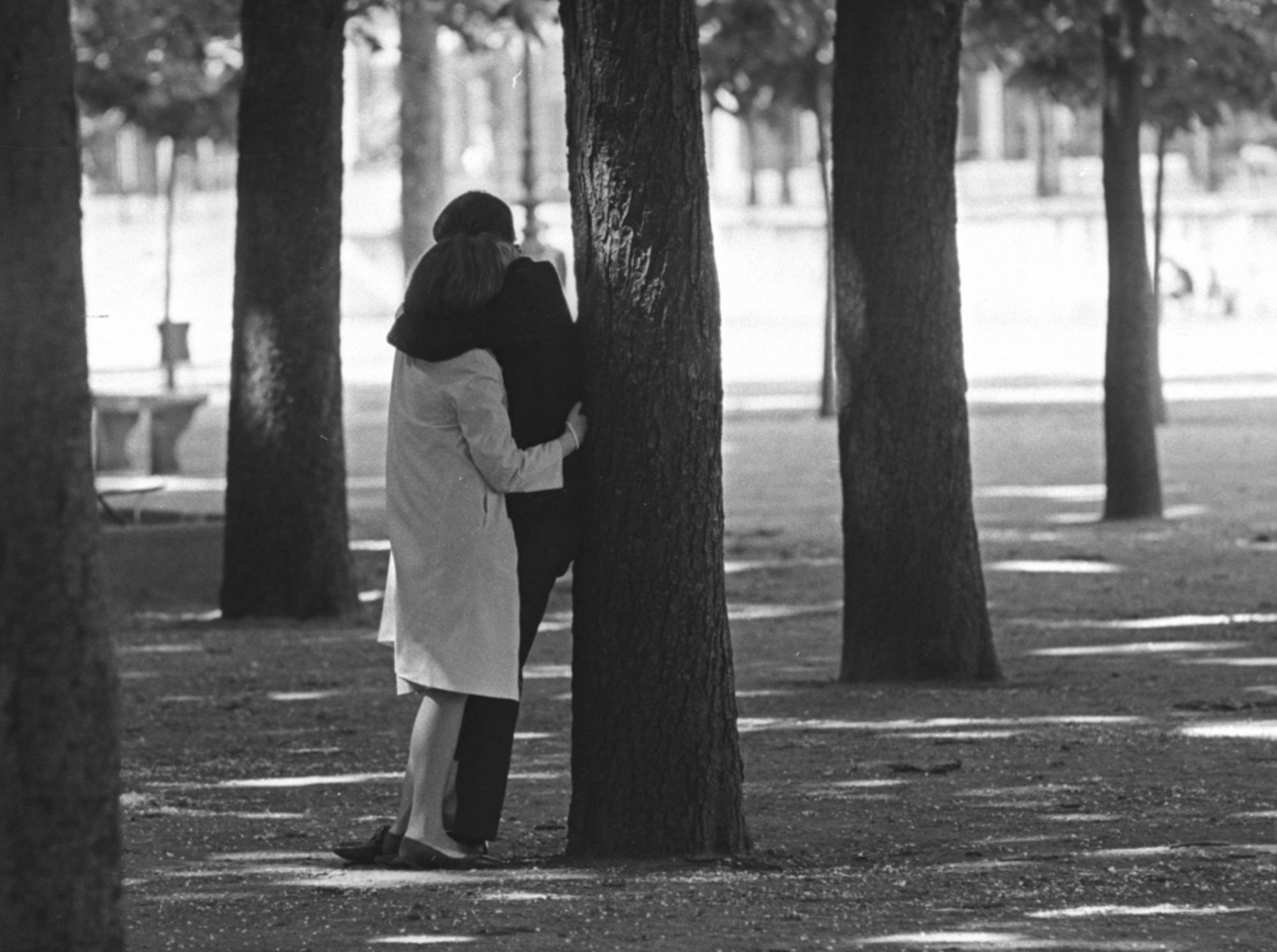


Lagrange was unlike other photographers working for Soviet news agencies. He began to observe the things happening around him: children playing, daily life, the love between people, and real human emotions. Even his official photos for various publications (such as Sovetsky Soyuz, a thoroughly elite magazine that was printed in color and exported to the West), Lagrange was better than others at depicting completely ordinary people.
Iconic works by photographers like Alexander Rodchenko and Boris Ignatovich between the 1920s and 1940s seem ancient now; we don’t feel the images. But people remember the thaw and they remember Lagrange. For many, it’s simply a feeling. More than anyone, he could convey these human joys and sorrows.
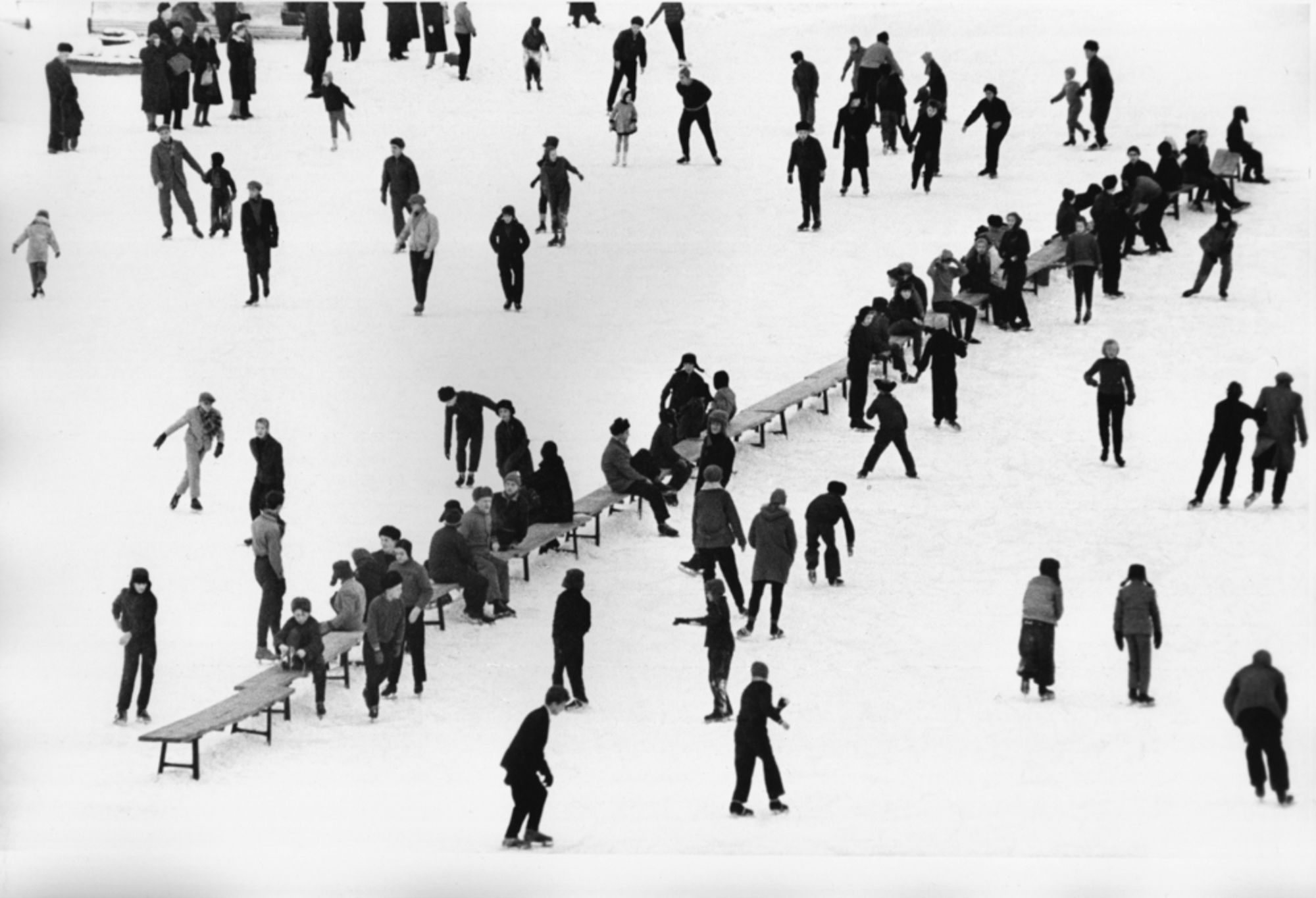
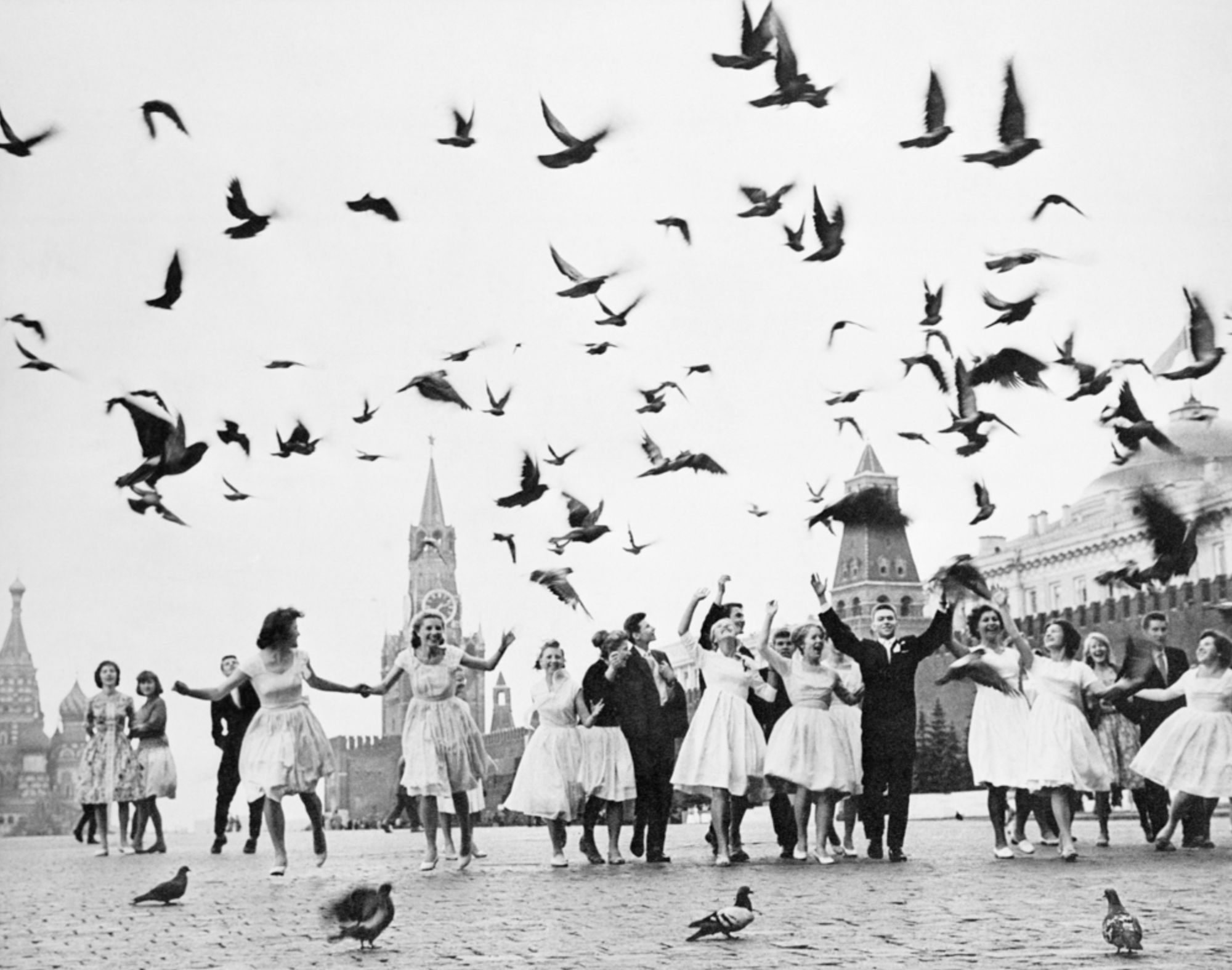
Dmitry Donskoy and Vladimir Lagrange both died on January 22, 2022. Many people wrote: “How can it be? Two masters left us in a single day.” I don’t want to pit him against Lagrange, but Donskoy was a person of the system — Yeltsin’s personal photographer. Lagrange never glorified any political system, he never worked for the system, and he was not a man who embellished, tried to win a medal, or hoped for a place at Pravda. All that was alien to him.
Lagrange represents the Moscow intelligentsia that retained its human essence. He embodies a completely different set of coordinates — a different way of looking at life. His work offers an honest way of looking at people with love.
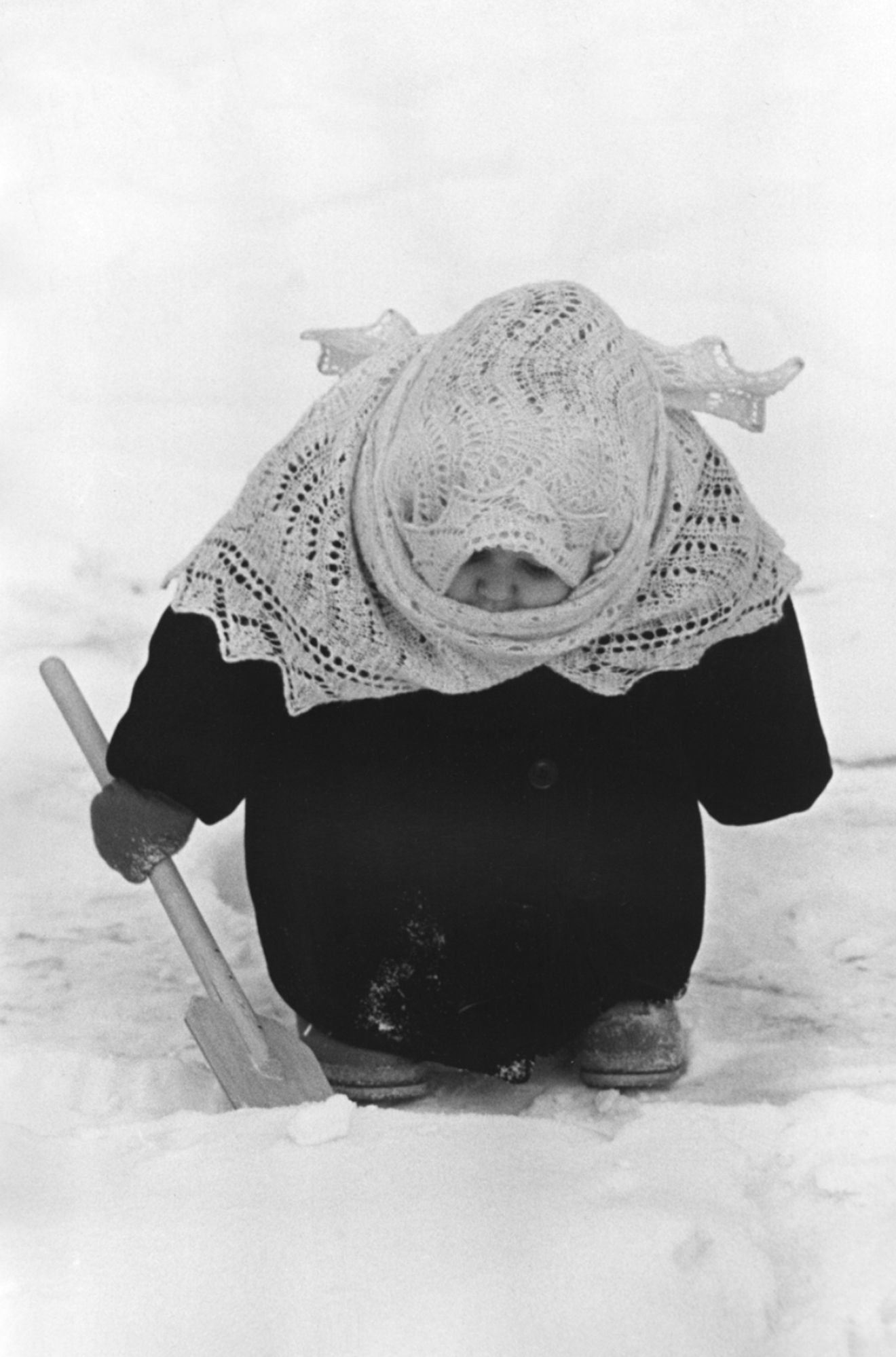
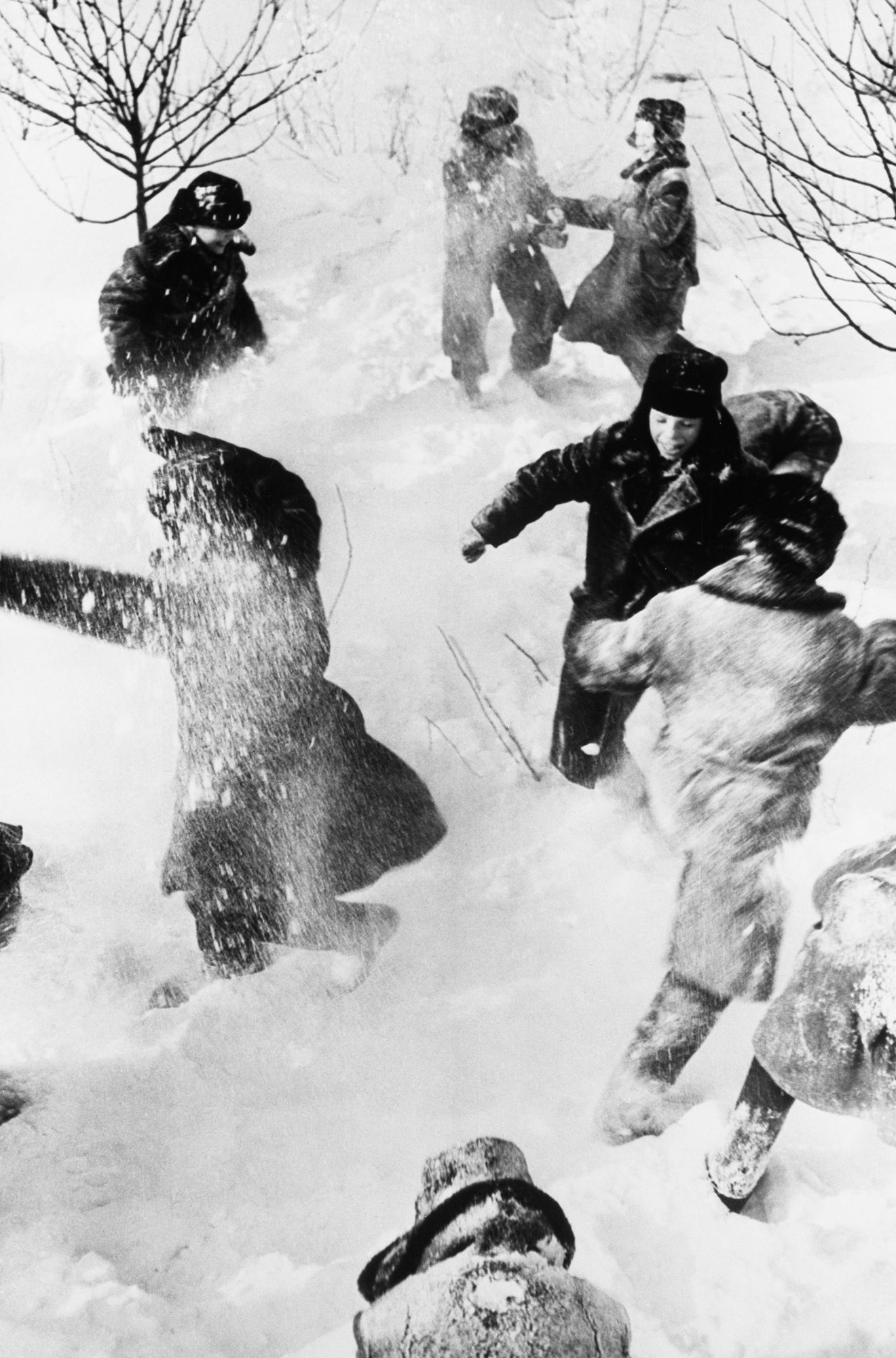
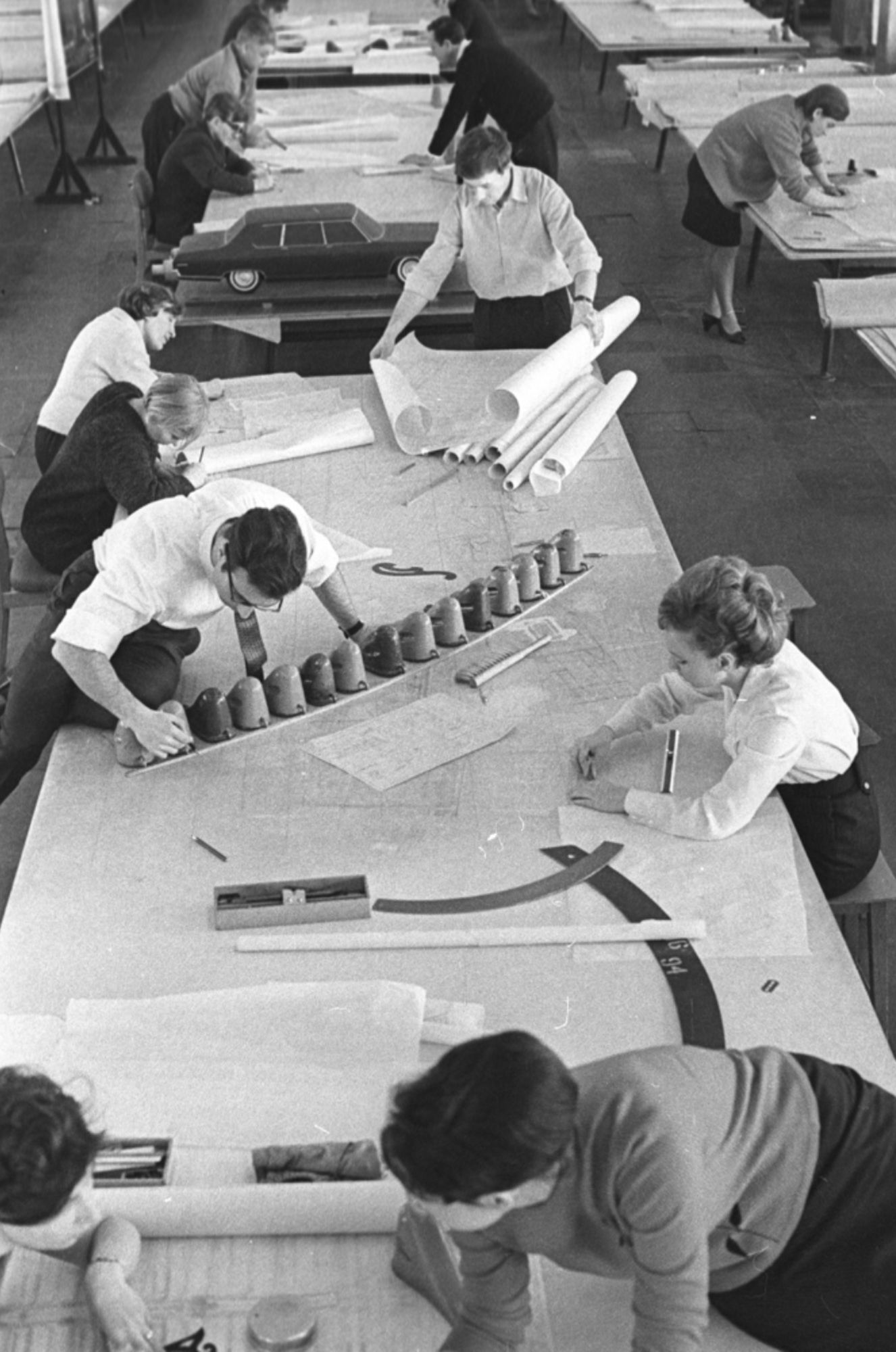
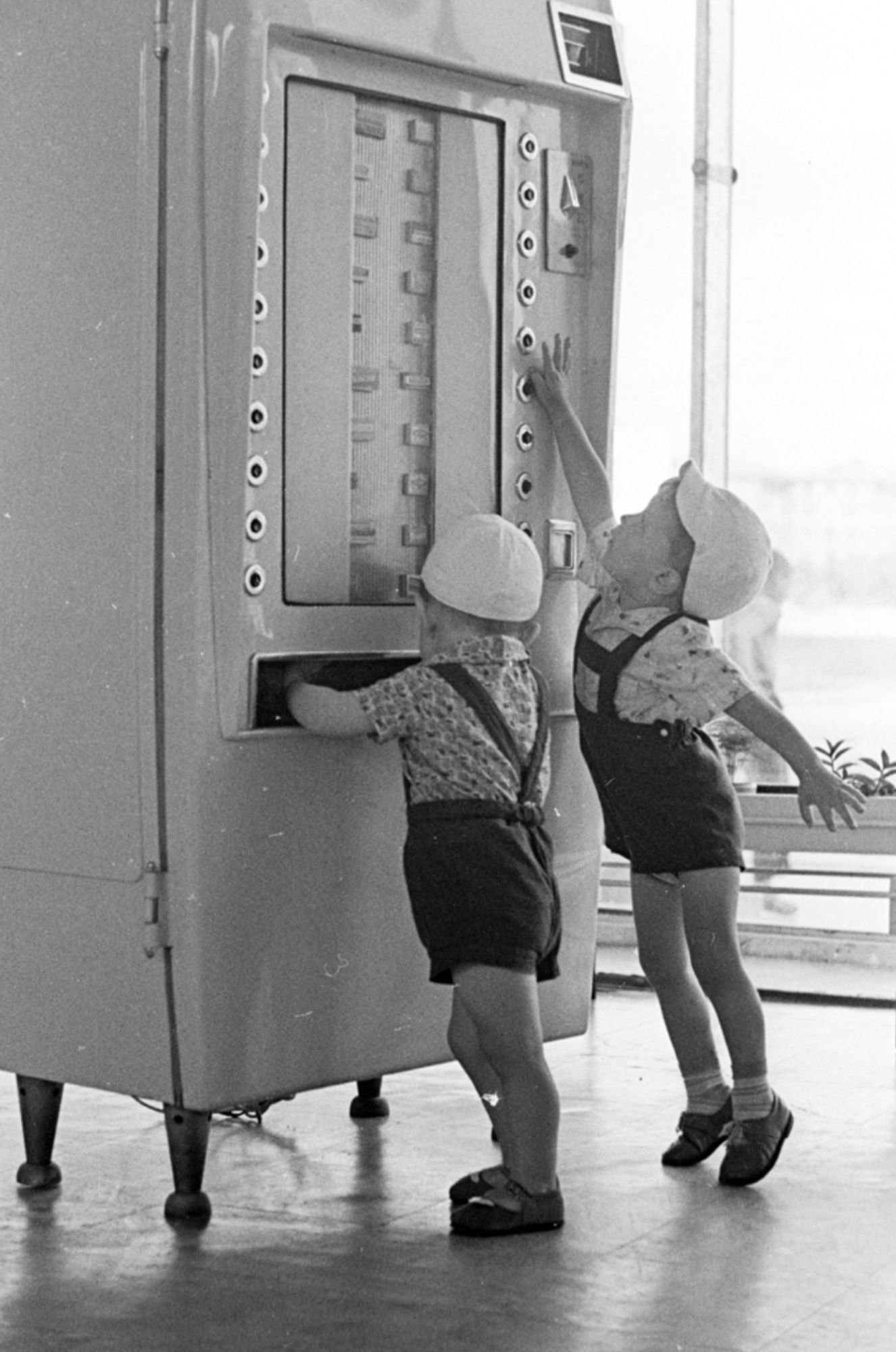
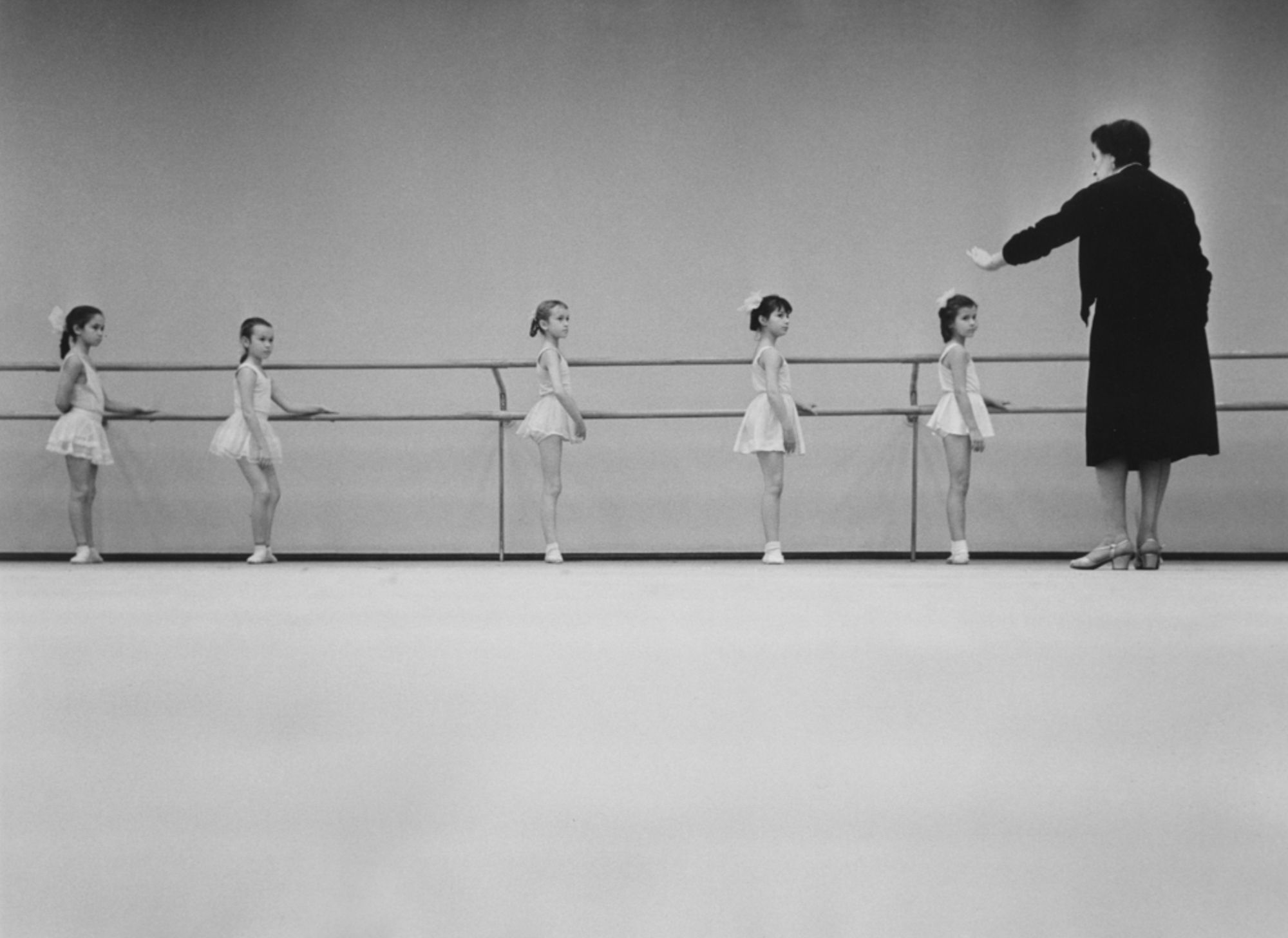
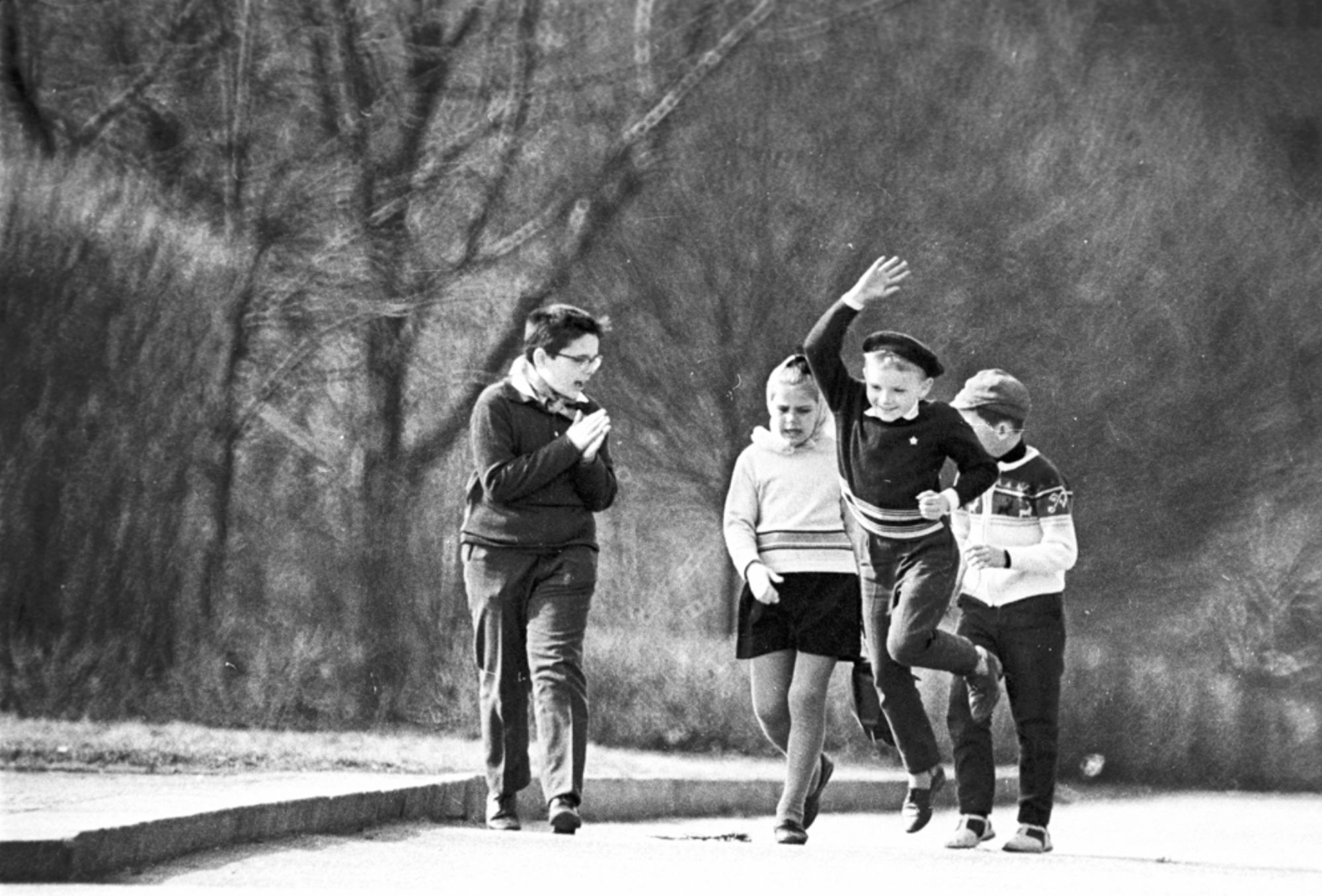
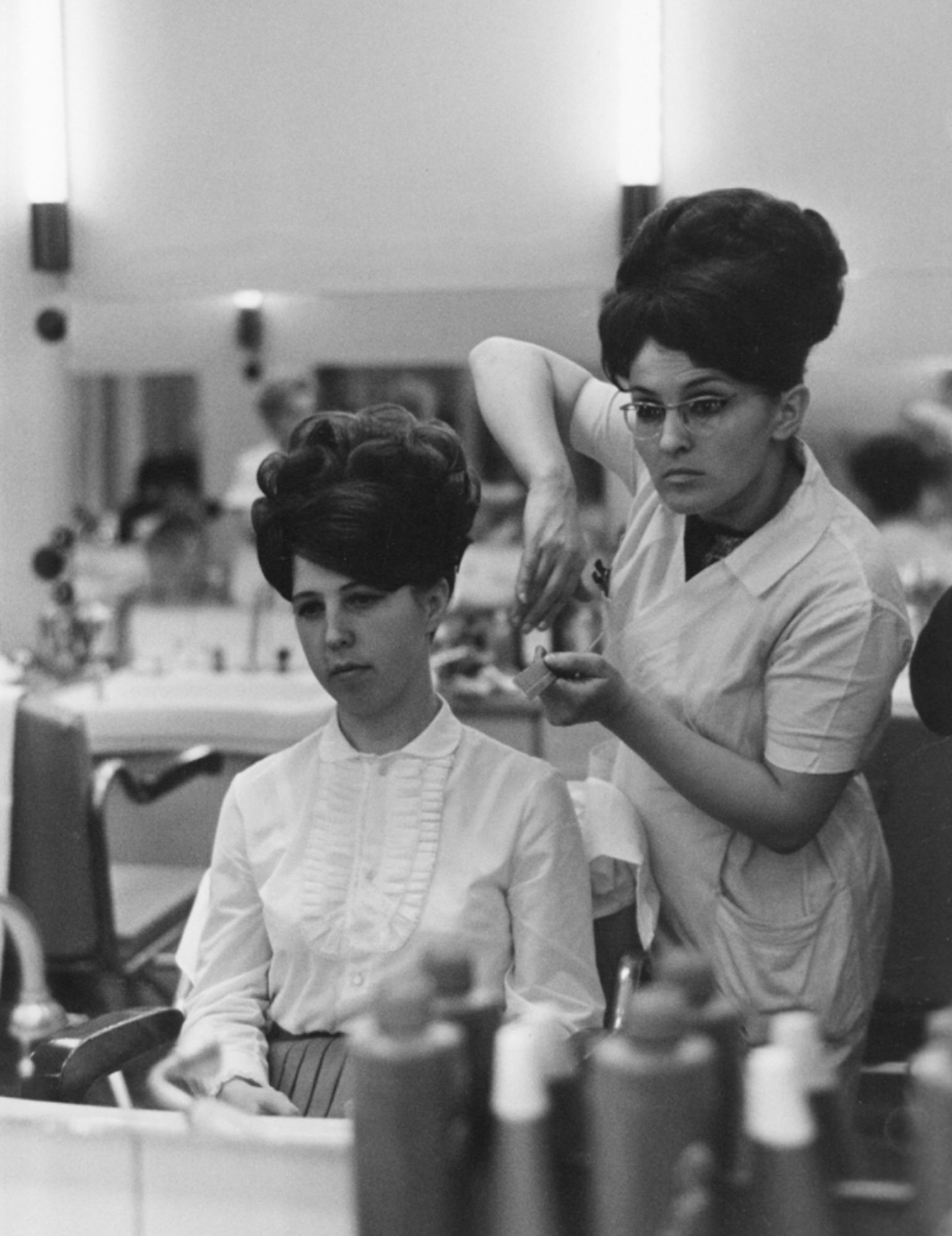
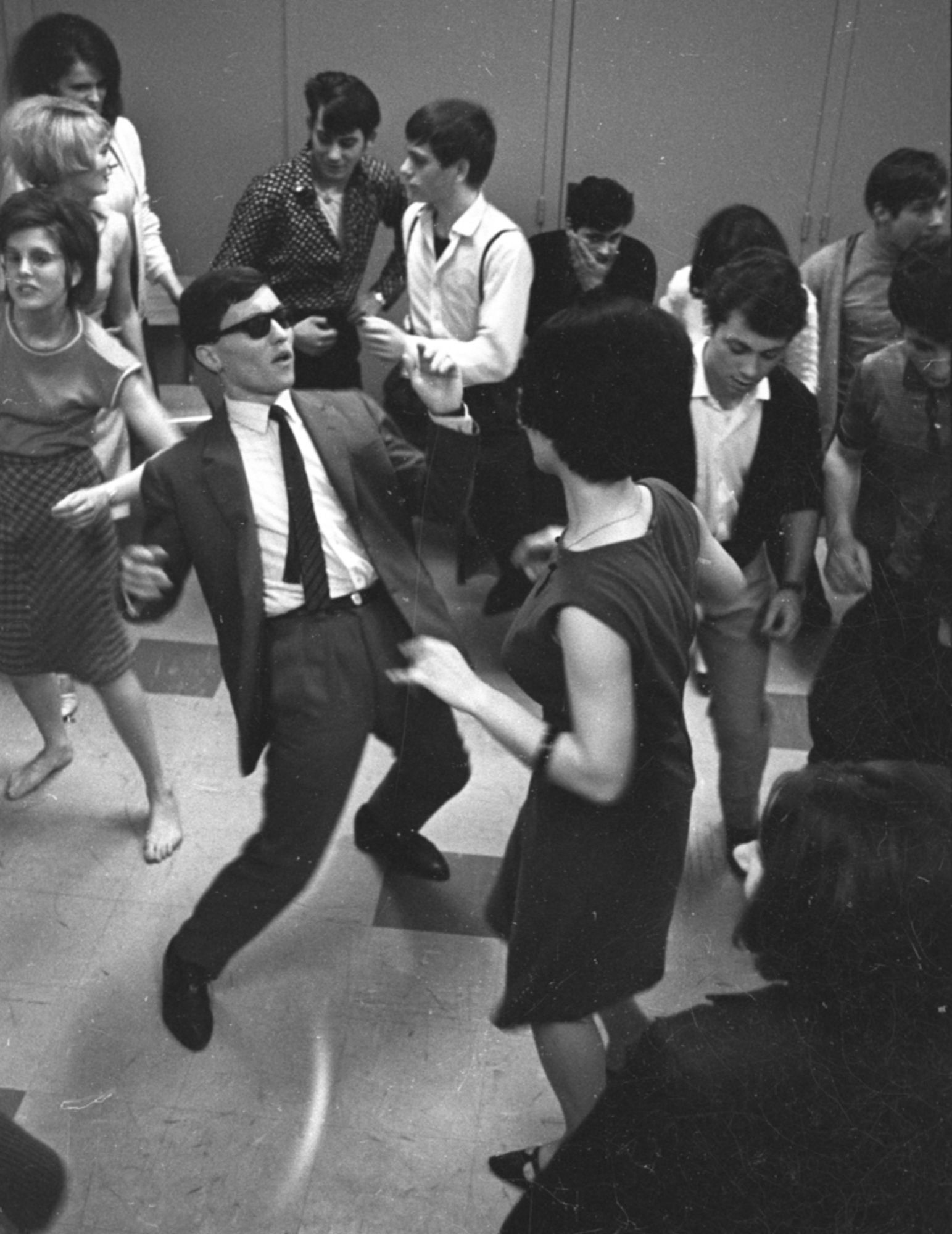
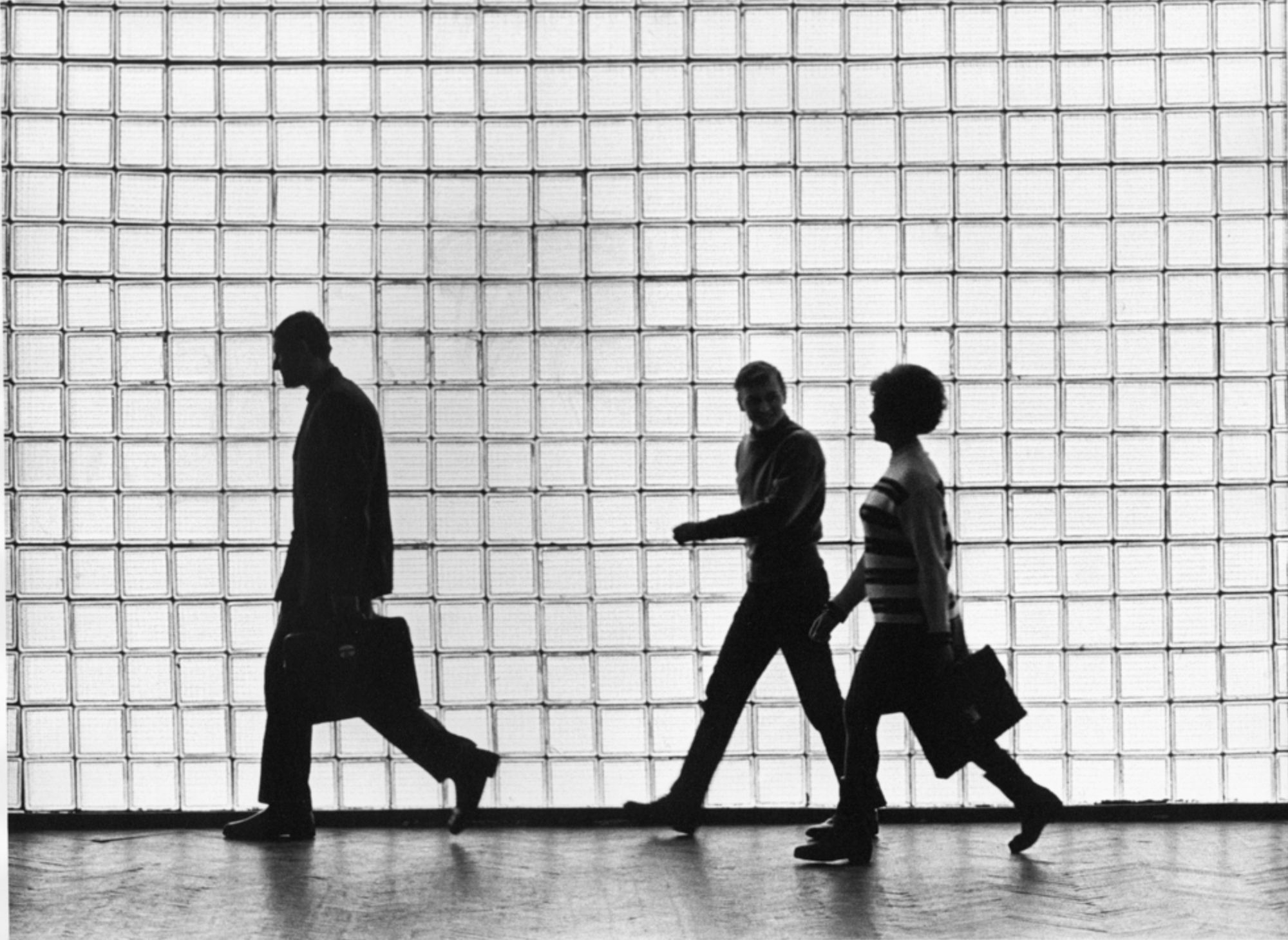

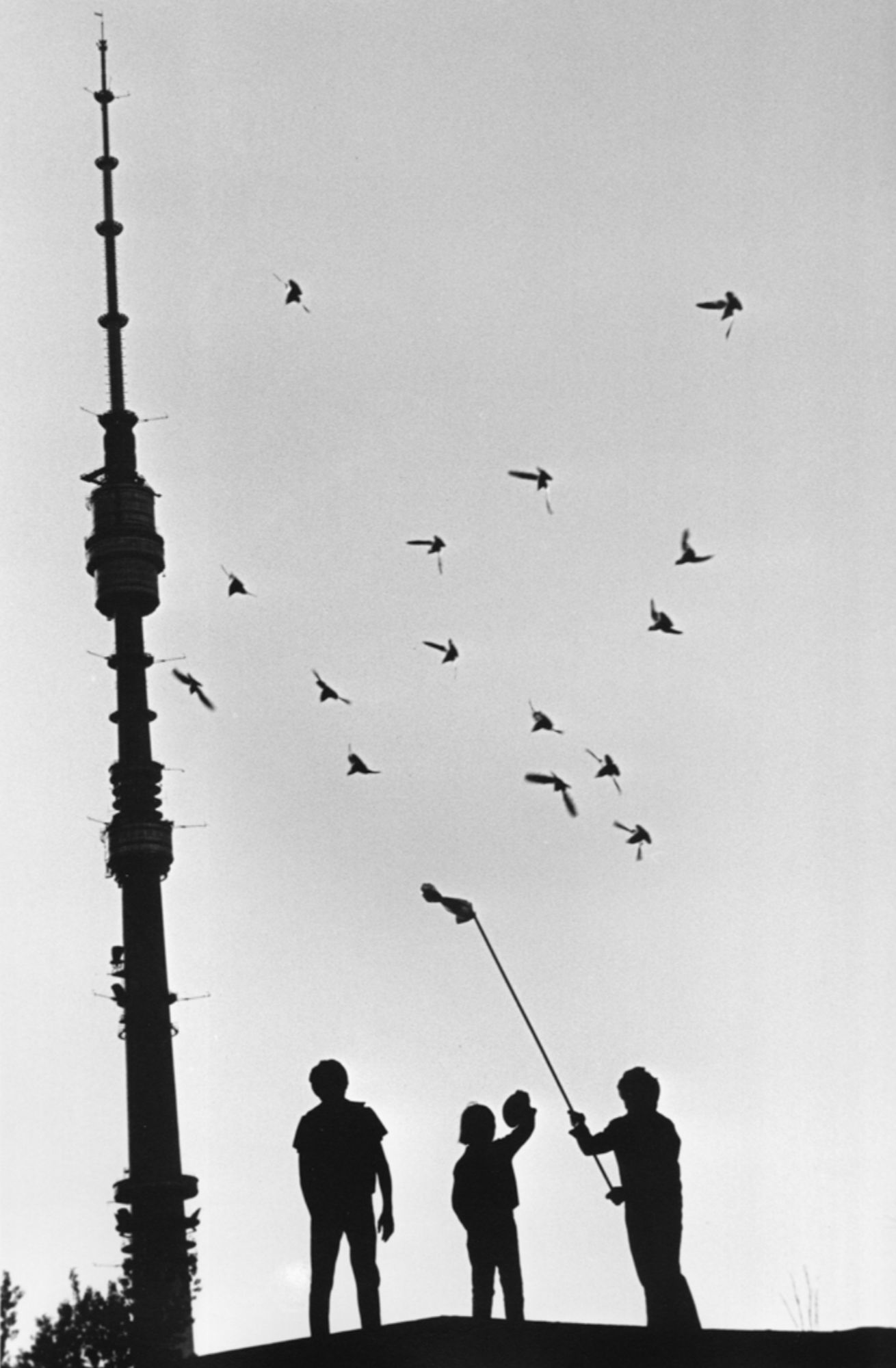
A retrospective on Vladimir Lagrange will open on March 17, 2022, at the Yeltsin Center in Yekaterinburg, before moving to Kazan in the fall.
Recorded by Alexandra Sivtsova
Translation by Carol Matlack