
LGBTQ+ refugee at risk of execution after returning to Russia to attend father’s funeral. He was detained at Moscow airport and handed over to Chechen authorities
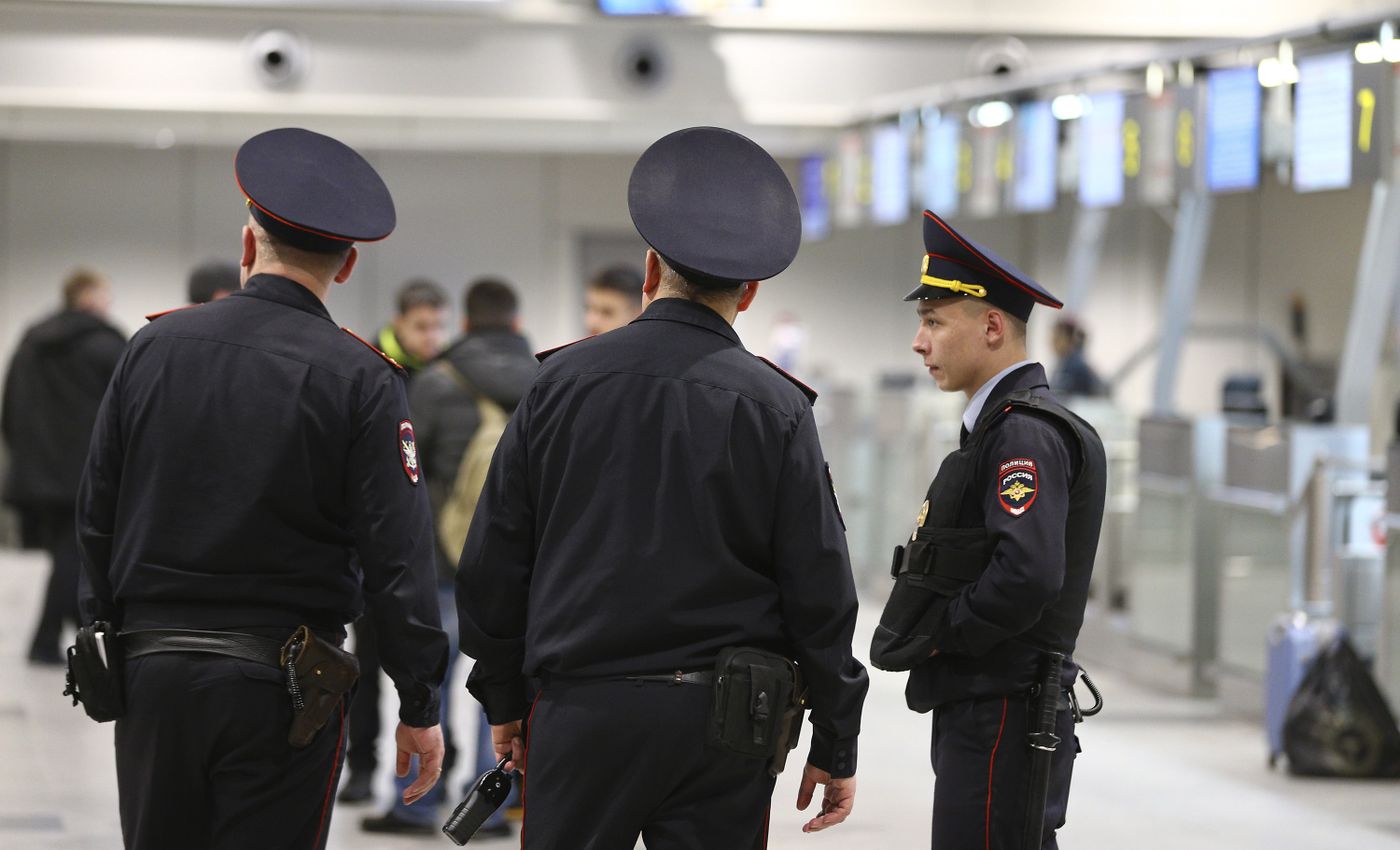
On Wednesday evening, 28-year-old Idris Arsamikov was detained at Moscow’s Domodedovo airport upon his return from the Netherlands—he had been granted asylum there as an LGBTQ+ refugee from Chechnya, a republic in the Russian Caucasus with leadership boasting about repression against these people. The Moscow police reportedly handed him over to Chechen authorities. Arsamikov had returned to Russia to attend his father’s funeral, but now, human rights activists fear that he will face torture or death in Chechnya. They believe that only public attention can save his life.
On the evening of February 15th, 28-year-old Idris Arsamikov, a native of Chechnya, was on his way to the Netherlands when he was detained, according to the North Caucasus LGBTQ+ support group SK SOS. Human rights activists are concerned for his safety, saying that he is in mortal danger in Chechnya. They have information that in 2018, Arsamikov was detained and tortured simply because he is homosexual.
Lyusya Shtein, a representative of the group, told Mediazona that the mass persecution of LGBTQ+ individuals in Chechnya began around the time of Arsamikov’s 2018 detention. The security forces would trace an individual’s contacts after detaining and torturing them. “In 2018, Idris’ partner was detained and turned him in, leading to his torture as well. However, he denied everything and was eventually released,” Shtein says. Human rights activists helped Arsamikov escape from Russia and obtain asylum in the Netherlands.
LGBT persecution in Chechnya
In 2017, Novaya Gazeta reported about mass raids against the LGBTQ+ community in Chechnya, including the detention of about 100 individuals and the murder of three gay Chechens. The detainees were held in a “secret prison” at an abandoned military base in Argun, according to the eywitness accounts. They were describing horrific conditions, beatings on arrival, and dirty water given to prisoners after washing the floors. Radio Free Europe/Radio Liberty also reported that men were lured to trick dates and then blackmailed for money. Some were killed, while others were handed over to their relatives on condition of arranging for “honour killings.”
One of the former prisoners, photographer Maksim Lapunov, even held a press conference under his real name in 2017, where he described how he and his partner were forced to beat each other up. Later, Lapunov left Russia.
Despite international attention, however, the persecution of the LGBTQ community did not stop. In 2018, at least 40 people were detained, and two died due to torture during another anti-LGBTQ+ campaign. Both men and women were targeted. “The men had their heads shaven and were forced to dress in women’s clothes and call each other by female names,” the human rights group LGBT-Network reported.
In January 2020, ethnic Chechen woman Aminat Lorsanova reported her relatives and doctors to the Investigative Committee for beating her with a stick while reading the Quran and torturing her in other ways in an attempt to “cure” her of homosexuality. The case was never opened.
In March 2021, human rights activists described the case of 20-year-old Salekh Magamadov and 17-year-old Ismail Isayev, whose relatives were pressured by police to commit “honour killings.”
In the summer of 2021, Grozny,the official TV channel, aired a report on the kidnapping of Khalimat Taramova from a shelter in the neighboring republic of Dagestan. The authorities forced her to return to her relatives, who she had run away from due to regular beatings in response to her relationships with women.
In March 2022, Idris Arsamikov returned to Chechnya to attend his father’s funeral. Although he was a refugee, he was granted special permission by Dutch authorities to leave the country. However, according to Lusya Shtein of SK SOS group, he didn’t inform human rights activists about his plans.
Upon his arrival in Chechnya, local authorities detained Arsamikov and confiscated the documents he needed to return to the Netherlands. Shtein said that he had been detained at least three times in the past year and had been subjected to torture in police custody. In February, Arsamikov was able to travel from Grozny to Moscow, but he was detained at the airport. The police claimed that Arsamikov was wanted for large-scale fraud, with an assistance request issued by a Chechen police precinct run by Rustam Geremeev, brother of the supposed member of the group involved in killing Boris Nemtsov, a prominent Russian opposition politician. The case was opened in 2021, when Arsamikov was already living in the Netherlands.
Video of Idris Arsamikov's detention in Moscow / SK SOS
Shortly after Arsamikov was detained he required medical attention due to a panic attack. SK SOS reported that “Idris said that the head of criminal investigations at the Shelkovsky police precinct in Chechnya, who signed the assistance request, tortured him with electricity after detention so that he’d confess he was gay.” However, the medics left stating that they did not see any signs of a panic attack. SOTA, an independent outlet, published excerpts from his lawyer’s conversation with the police:
“I must react [to a request]. If I don’t, it’s going to be my fault.”
“Do you understand they will take him and kill him?”
“Who’s gonna kill him? Nobody cares about him that much.”
“He’s been tortured three times and spent a month in detention each time. Besides, he has an official status of a refugee and a resident permit in the Netherlands.”
“So why doesn’t he go there? What's the problem?”
“You aren’t letting him out!”
“How can I let him out if there’s this document?”
Around 4 a.m., an unidentified man in a black jacket arrived to take Idris away. Security footage from the precinct shows the man putting a hood over his head. SK SOS suggests that he is a member of the Chechen security forces. The human rights activists claim that the man did not show any ID to the airport police. According to SOTA, the man claimed that Arskamikov is a suspect in a criminal case. SK SOS believes he will be taken to Chechnya, and a lawyer has already been dispatched to Shelkovsky police precinct.
Across Russia, police are known to hand over people detained under false pretenses to Chechen security forces. In January 2022, policemen kidnapped Zarema Mysaeva from the city of Nizhny Novgorod in central Russia. Chechen authorities suspect her sons, Ibrahim and Abubakar Yangulbaev, of being connected to the 1ADAT Telegram channel, highly critical of the Chechen leader Ramzan Kadyrov. Since her kidnapping, Mysaeva has been held at a detention centre in Grozny on charges of assaulting a policeman.
Sergey Babinets, the head of the Crew Against Torture, a human rights group that has worked extensively in Chechnya, said, “It’s very likely that, similar to the case of Zarema Mysaeva, locals knew everything in advance and simply played along, detaining Idris and holding him until Kadyrov’s people arrived. To save Idris, as many people as possible should be talking about this case.”
Editor: Dmitry Tkachev