
Evil rationalised
Why is Russia bombing Ukrainian grain terminals?
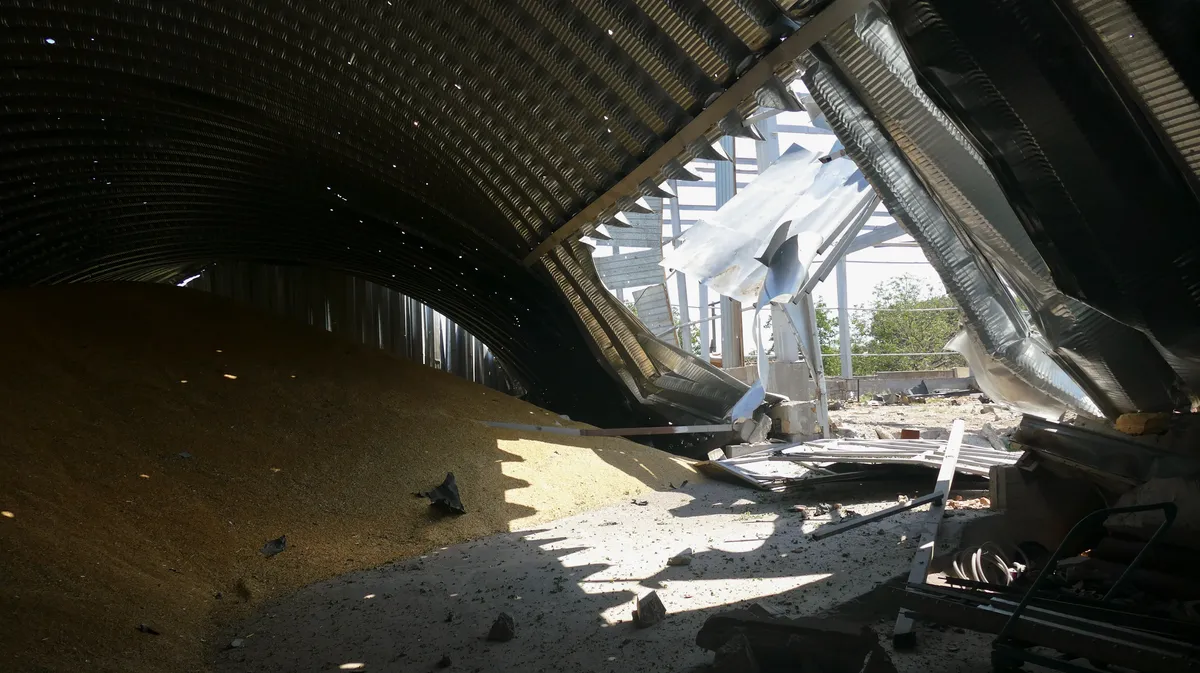
A damaged grain terminal in the Odesa region, 21 July 2023. Photo: EPA-EFE/IGOR TKACHENKO
It often seems that Russia has reached the limit when it comes to war crimes and cruelty. But recently, it has outdone itself — by fully committing to carrying out acts of terror.
Let’s start from the beginning. In nearly 18 months since the war began, we have grown used to murder. Reports on the number of killed Ukrainians arrive daily. Shelling of peaceful cities no longer comes as a surprise, it only catches people’s attention when something exceedingly shocking happens — like the latest attack on Odesa or the first ones on Kyiv, or when the number of victims runs into dozens.
But why is Putin doing all of this? The first possible explanation is that he just hates Ukraine and Ukrainians. That is certainly true.
This is, as we remember, Putin’s “historical” land, which means that Ukrainians have to be his “serfs”, along with the Russian population. It’s not that Putin has such a big need for Ukraine — he could do without it; but he sees them as “runaway serfs” who must be brought back. And punished for escaping. And here he is, punishing them, apparently certain that he will not have to pay for these crimes. I would like to believe that he is wrong.
Another reason for his hatred is more rational. Ukraine’s years-long journey toward Europe demonstrates that a Slavic country with an Orthodox culture can become a part of the modern European civilisation and its institutions. This means that one of the principal arguments used to justify Russia’s isolation from the world — “we have a special mentality, their European values do not have a place here” — does not apply. Ukraine could easily become an example that would undermine the pillars of Putin’s regime, and this is simply unacceptable. This is why Putin started this war with a specific purpose: to destroy Ukraine.
But the evil acts committed by our country on Ukrainian soil are not only the result of hatred or Putin’s belief that he can get away with anything. It is also a tool for achieving the regime’s goals.
The bombings of Ukrainian cities and mass murders are being done with a specific goal. Putin believes that sooner or later, Ukrainians will get tired and demand their government sign an agreement with Russia — to hell with Crimea and Donbas, we need this nightmare to end. That was the same motivation used while shelling Ukraine’s energy facilities — if Ukrainians were to freeze, they would stop caring about anything else and demand Zelensky retreat.
This is the Kremlin’s message: stop resisting and the bombings will immediately cease. The Third Reich leaders made the same appeal to Britain during WWII: the UK government could apparently stop the suffering of the British people if they were to meet Germany’s just demands.
There was some logic to their strategy, but both Russia and Nazi Germany failed to meet their goals. Nevertheless, the Kremlin has not given in to despair, carrying on the bombings of Ukraine.
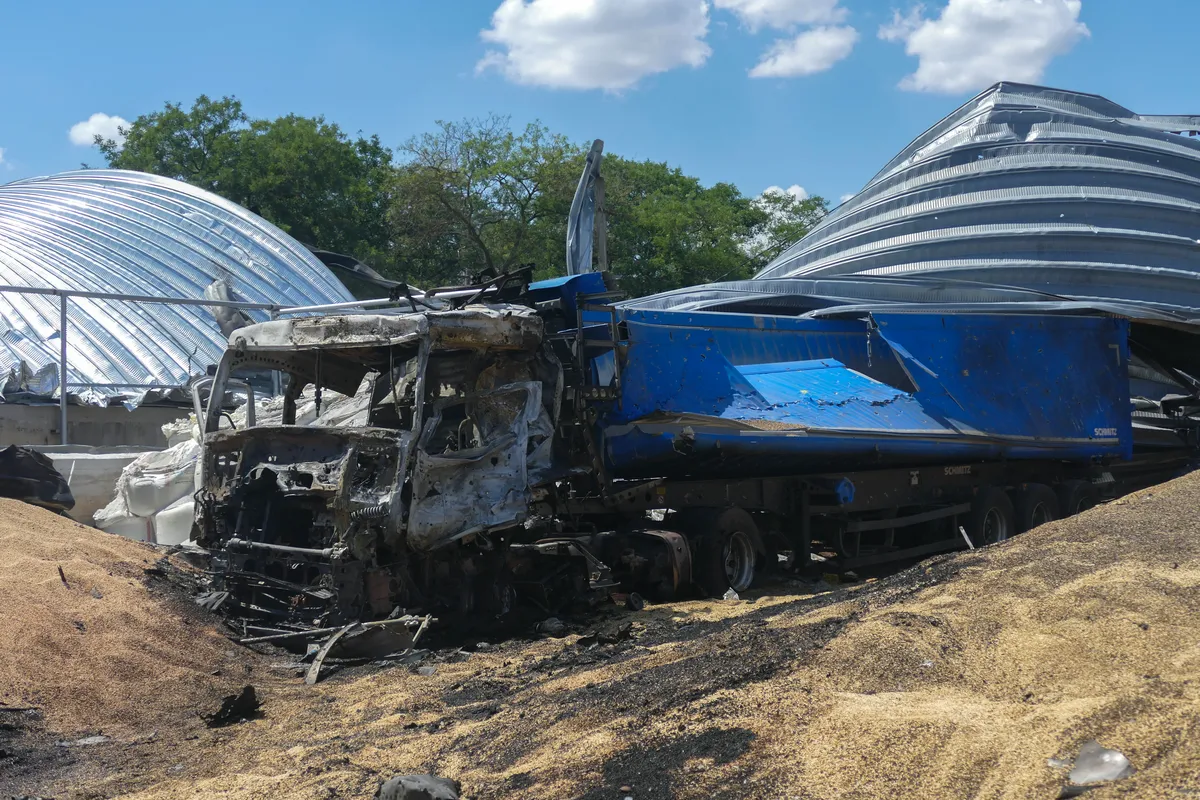
But now a distinctively new crime has been committed: the attacks on Ukrainian ports and grain terminals, the destruction of grain ready for shipment. This situation does not compare to destroying the other sectors of the Ukrainian economy. Yes, it will lead to additional problems for Ukraine — it won’t receive the money it was counting on. But even our great thinkers must realise that this won’t destroy Ukraine: the allies will help Ukrainians once again. Then why?
The point of these attacks is to trigger hunger, or even starvation, for people who live thousands of kilometres away from the warzone. Putin, inspired by his historical predecessors, has decided to wage war on two fronts: not only against Ukraine and NATO, but now also against the world’s poorest countries.
We can see a clear logic behind this plan, too. This is basically an attempt to force peace. A desperate request for truce and ceasefire.
Our country is telling the world that it will now be killing not only Ukrainians but also people in Africa and Asia, and it will be doing so until Zelensky agrees to negotiate — essentially, to capitulate.
The victims of Russia’s actions themselves, of course, cannot influence Zelensky. Moreover, Ukraine will not surrender to Putin out of empathy towards starving Africans. The plan is that the West will be unable to cope with a humanitarian catastrophe, that Western politicians and society won’t be able to quietly tolerate people dying of hunger in the twenty-first century. Thus, the plan focuses on what the Kremlin leaders always considered to be the West’s weakness, the one they ridiculed so much — humanism.
It is unknown how right their calculations are. First of all, the grain catastrophe could end up not being as bad as many are saying — something could be done to redirect shipments, find additional resources, and so on. Secondly, the Kremlin’s naive and unexpected belief in Western humanism could also end up being false: the West could just spend some time acting concerned without doing much of anything, shifting all the responsibility on charity organisations.
But the important thing is not whether the regime will achieve its goals by doing this. What’s important is the idea behind it: this is nothing but hostage-taking. Terrorists break into a school and say they will kill the children unless their demands are met. The Russian Federation (a permanent member of the Security Council, the homeland of Gagarin and Tchaikovsky) is acting the same way today.
We aren’t just sponsors of terrorism, which Russia has already been recognised as. We are the terrorists. But the thing is, terror attacks rarely end well for those who commit them.
The export of grain from Ukraine can, of course, be restored by trying to negotiate with Putin (while he feels like the king of the hill). But there is another way: to provide effective cover to the ships carrying grain and reliable air defence systems to Ukraine. I hope that Ukrainians will get additional air defence systems following the new Russian gamble.
And lastly, some good news. In September, representatives of the Taliban will visit Russia. To discuss the challenges of fighting terrorism with their Russian colleagues.