
Malignant education: how radical Muslims are ruining Iran
Radicals believe that it is not violence, but rather leniency towards the likes of Daei, that could spark the next wave of protests. The websites of the Front of Islamic Revolution Stability — a far-right parliamentary alliance also known as The Persevering Front — have called for the immediate prosecution of the Daei family and of journalist Ferdosipour. The alliance condemns the selective approach of the judiciary, which tends to overlook wrongdoing by prominent figures, and insists that the lack of reprisal against the daughter and her former footballer father could “enrage the general public and infuriate the faithful.”
The age of new radicalism
The Persevering Front has brought together the most radical supporters of the Islamic Revolution. Deputies from this association hold 23 of the 290 seats in the Iranian Consultative Assembly. Despite their relatively small numbers, radicals who advocate the strictest possible adherence to religious doctrines have considerable influence. For one, Persevering Front deputies got the parliament to adopt a ban on tombstones with portraits of deceased women without hijab. Cemeteries have been ordered not only to prevent new headstones with offending images but also to demolish existing ones.
The cemetery initiatives were the authorities' response to the mass protests. At first, Tehran appeared willing to make concessions to the protesters and even hinted at the possibility of disbanding the vice police, which are hated by many in society; however, those in power soon abandoned the idea of this liberal act, instead tightening the screws even further. As far as Iranian radical policies go, the demolition of offending tombstones can be considered comparatively mild.
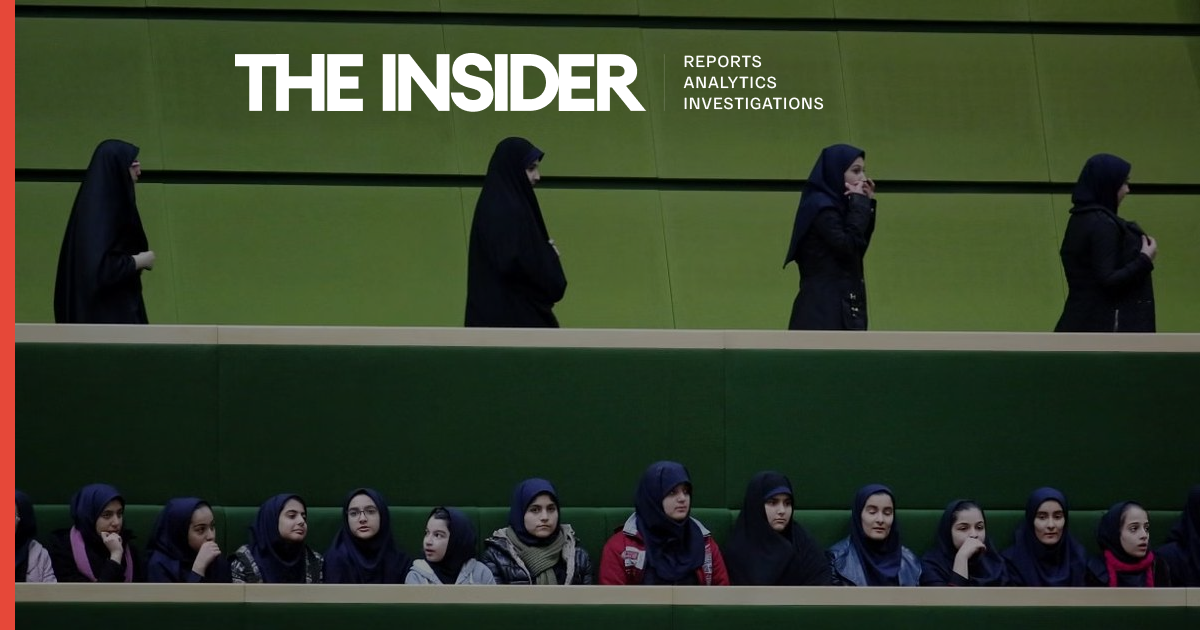
As Amnesty International reports, thousands of female high school students from more than 100 schools — and recall that it was teenage girls who formed the core of protests in many Iranian cities — were hospitalized with symptoms of poisoning by an unknown substance. Human rights activists are convinced that the mass poisonings were organized by the authorities with the singular aim of intimidating the girls, or at least putting them in hospitals to prevent them from participating in demonstrations. Meanwhile, officials maintained that most of those admitted to hospitals with symptoms of poisoning had in fact been overworked, stressed, or were simply going through a difficult period in life.