
Belarusian “Cyber Partisans” claim large-scale cyberattack on major fertilizer producer Grodno Azot, demand release of political prisoners
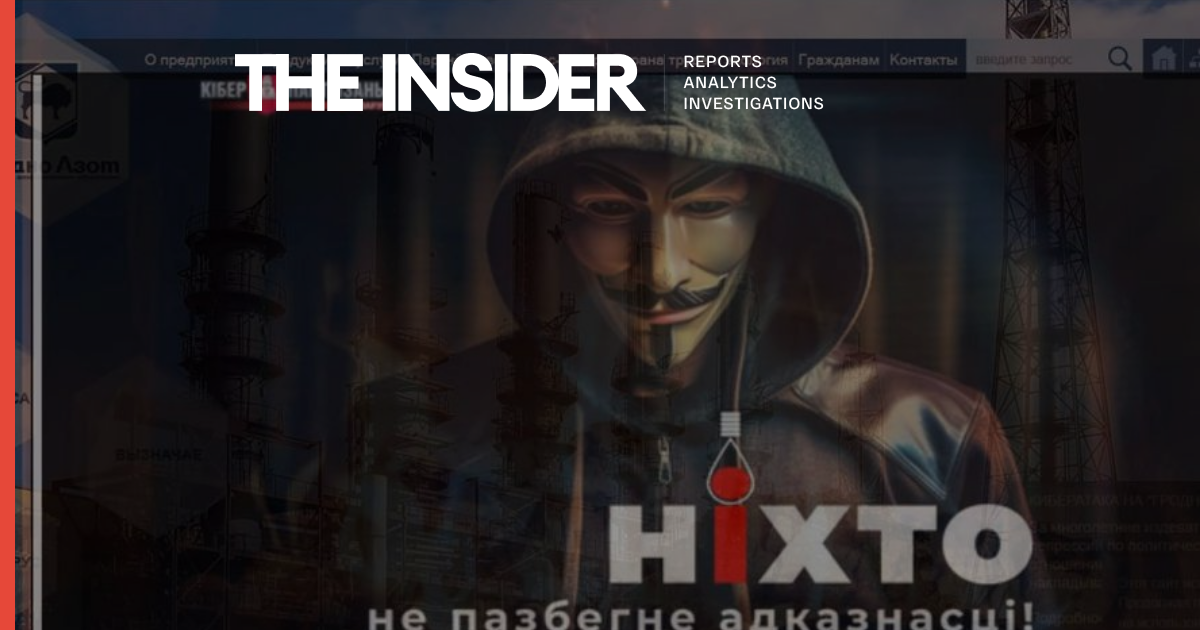
Cyber Partisans have offered to recover the data if their demands are met. The group is calling for the release of all political prisoners from Grodno Azot, in addition to 75 political prisoners who are in very poor health but have no connection to the company. The latter will be determined at the discretion of the group.
“Since 2020, the management of Grodno Azot has been involved in bullying, pressure, and political repression of the company's employees. We have not forgotten [the] punitive raids, reports [to the police] and mass layoffs. Now it's your turn to pay. The stakes are higher. [...] Now, we worked carefully and used only a small part of our capabilities. If you refuse, next time the stakes will be even higher. [...] 4 years of intimidation, repression and politically-motivated layoffs are on the conscience of Grodno Azot management. For this, they get our own cyber sanctions.”
The group also threatened the management of other enterprises, institutions, and organizations involved in political repression in Belarus with similar attacks.
In 2020, the management of Grodno Azot, Belarus’ largest nitrogen producer, greenlit mass layoffs of the company’s employees for their participation in anti-government protests. The Belarusian police also detained up to ten participants in a strike at Grodno Azot itself.
Grodno Azot is the only Belarusian facility to produce carbamide — a water-soluble nitrogen fertilizer. In 2006, the United States imposed sanctions against nine Belarusian companies — including Grodno Azot and its affiliate, Grodno Khimvolokno — for “undermining the democratic process.” The company has been under EU sanctions since December 2021 for firing and intimidating workers who participated in protests after the 2020 presidential election. As a result, Grodno Azot was prohibited from selling its products to the EU.
In 2023, reports by the Belarusian Investigative Center and the Lithuanian independent investigative center Siena confirmed that Grodno Azot used multiple shell companies to circumvent the sanctions and supply its products to the European Union.